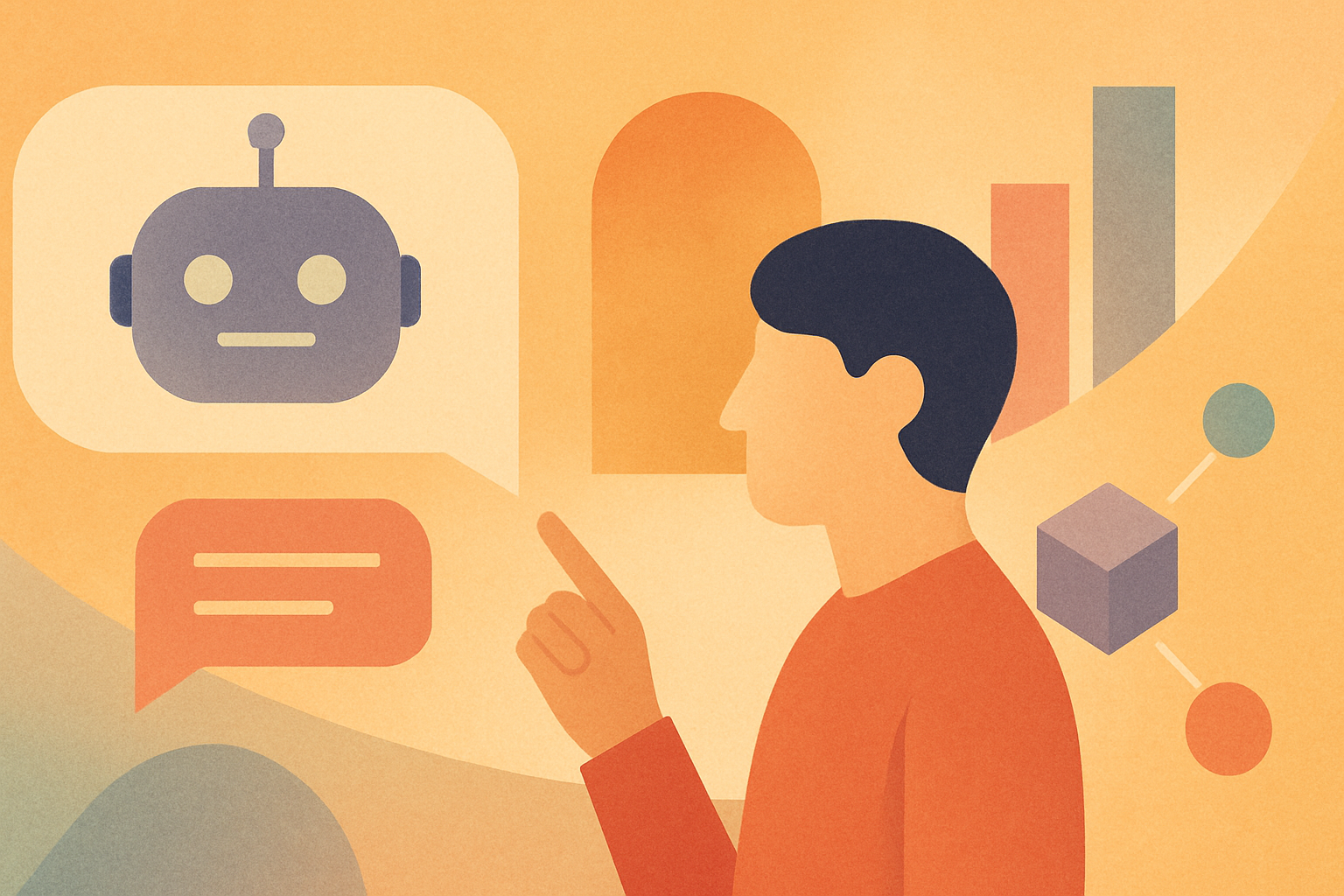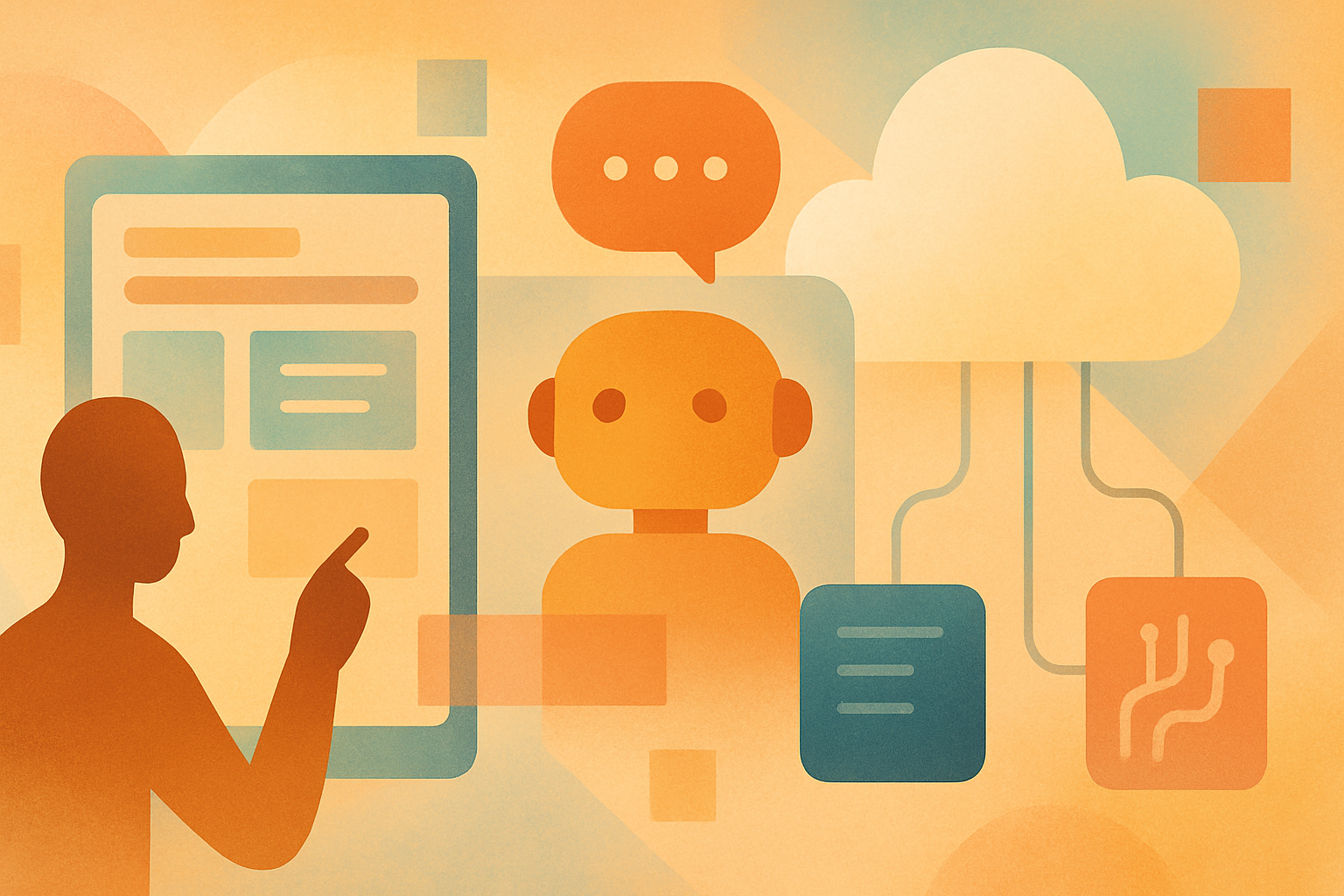
As we transition from one year to another, it is customary to look back on the past year and begin to consider what might unfold in the year ahead. We are in a period of massive technology-driven disruption in the ERP market and this past year will undoubtedly be remembered as the year of artificial intelligence and chatbots. However, when it comes to developing technologies that truly change the way organizations operate, the hype of the simplistic call-and-response chatbots we saw this year will likely be just a small blip on a much longer journey towards true AI. Here are some thoughts on what the ERP market can expect in 2019:
Businesses will start to leverage their employees to take advantage of low-code/no-code applications
Citizen developers represent a new generation in the workforce. They see technology as a way to create value in their work, opening doors to innovation and higher efficiency, and providing new ways of accomplishing goals. Tools are now emerging that allow them to quickly develop front-end applications that map exactly to the processes used by their organizations and their teams, taking advantage of business data and intelligence that was once relegated to the back office. Vendors are redesigning the software architectures to support this change, enabling customers to build out from the core using loosely coupled microservices so employees can create service-enhancing ERP extensions in their own image. The citizen developer market will be huge in the coming years, but this growth will be driven by citizen developers, not software vendors.
Edge Computing will change how we process data
We'll see a higher degree of computing happening at initial data capture to remove processing workload from the server side. This is essentially what's already happening with IoT; however, in the future, we'll see this in other non-IoT uses cases as well, like ensuring financial compliance locally instead of in a central data center. Edge computing takes advantage of microservices architectures where chunks of application functionality can be sent to edge devices. This expands computing power indefinitely, and is an exciting trend to watch in 2019.
As the AI market matures, chatbot consolidation will begin
Everyone and their mother's company is building chatbots, and there simply isn't enough room for them all. Consumers won't want to ask one chatbot how many PTO days they have left, call up another to find out their current credit card balance, and talk to a third to book a flight to Europe. Having a different chatbot for everything under the sun isn't good UX. As the market matures, chatbot consolidation will begin. The code needed for a chatbot to perform its dedicated task on the backend will still be valuable. Chatbots will instead be recoded as the go-between with a customer-facing chatbot and the enabling backend software. This means the user will ask Cortana (for example) to perform a task, Cortana will ask the bot, the bot will perform the task, and Cortana will inform the user that the task is complete. Chatbots that perform useful and unique tasks won't disappear, they'll just become part of a larger ecosystem that's one step removed from the consumer, where they interface with other solutions such as banks, airlines, ERP software, pizza parlors -- literally everything.
This article was originally published on vmblog.com.