Featured

Era of Reasoning
Enterprise software is becoming a system of reasoning that weighs decisions and acts. Its limit is meaning, and the contest is who owns the reasoning layer.
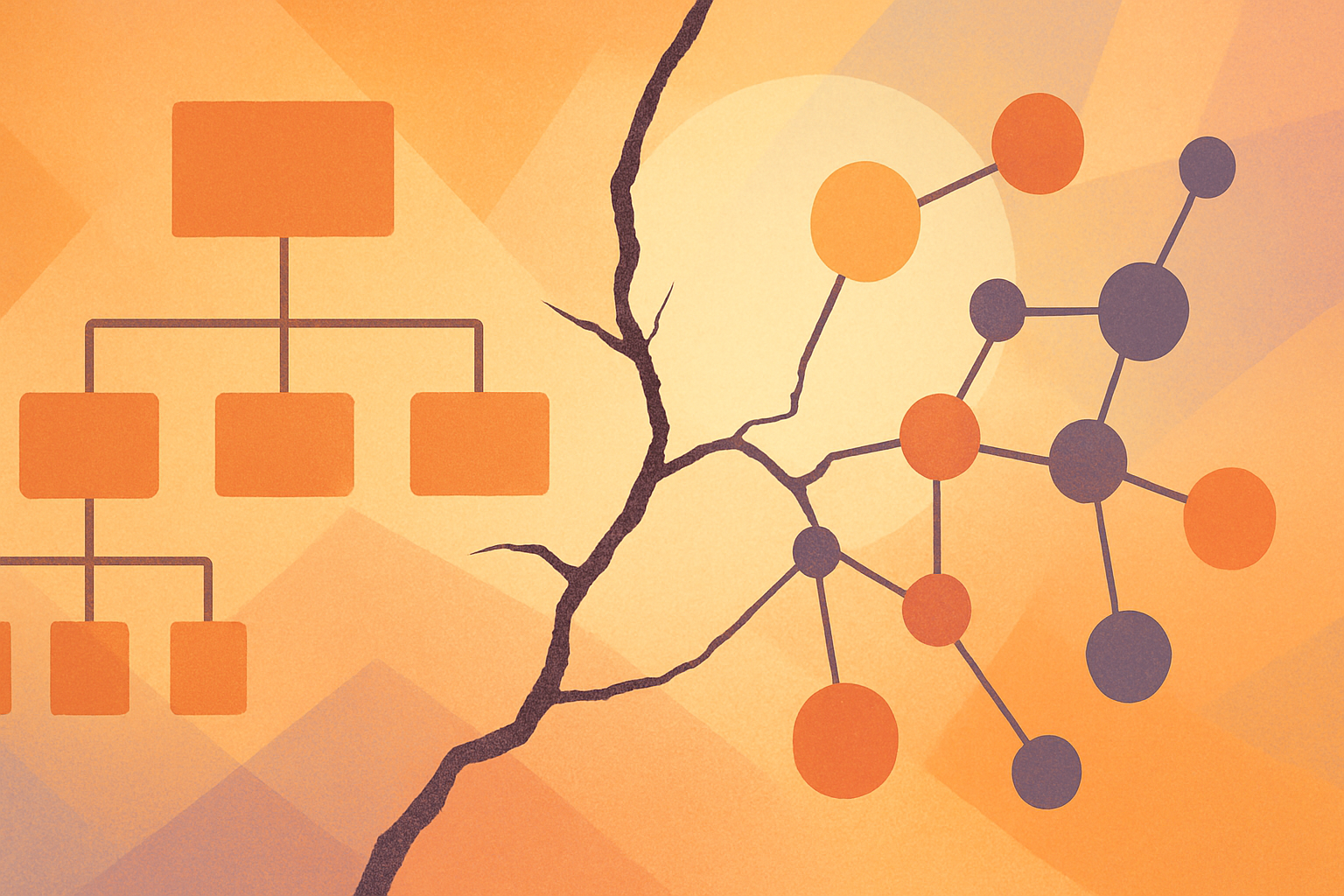
When the Org Chart Stops Organizing
Every company is two graphs, the org chart and the value chain. As agents absorb routing, the chain becomes the one the company runs on.
Themes

The Return of the Builder
Intent, clarity, and the craft of building software when implementation gets cheap.
9 articles →
The Self-Driving Enterprise
How AI is reshaping enterprise software, from ambient ERP to autonomous workflows.
24 articles →
My Life with AI
A personal narrative of building alongside machines, from a TRS-80 to today.
3 articles →
Random Thoughts from the Trenches
Software craft, leadership, estimation, and whatever else is on my mind.
38 articles →Articles

An honest conversation about AI: we're all learning on the job
We're all still learning AI on the job: an honest take on experimentation, ERPx data contracts, governance, and why humanities degrees now matter.
Era of Reasoning
Enterprise software is becoming a system of reasoning that weighs decisions and acts. Its limit is meaning, and the contest is who owns the reasoning layer.

From routing to reasoning - what it really takes to make AI work in enterprise software
Most AI in enterprise software is not reasoning, it is routing with better language. Closing the gap takes a semantic layer, guardrails and vertical depth.
When the Org Chart Stops Organizing
Every company is two graphs, the org chart and the value chain. As agents absorb routing, the chain becomes the one the company runs on.

The Desktop Supercollider
How AI-assisted development collapsed the cost of experimentation in enterprise software, turning the architect from theorist into experimentalist.
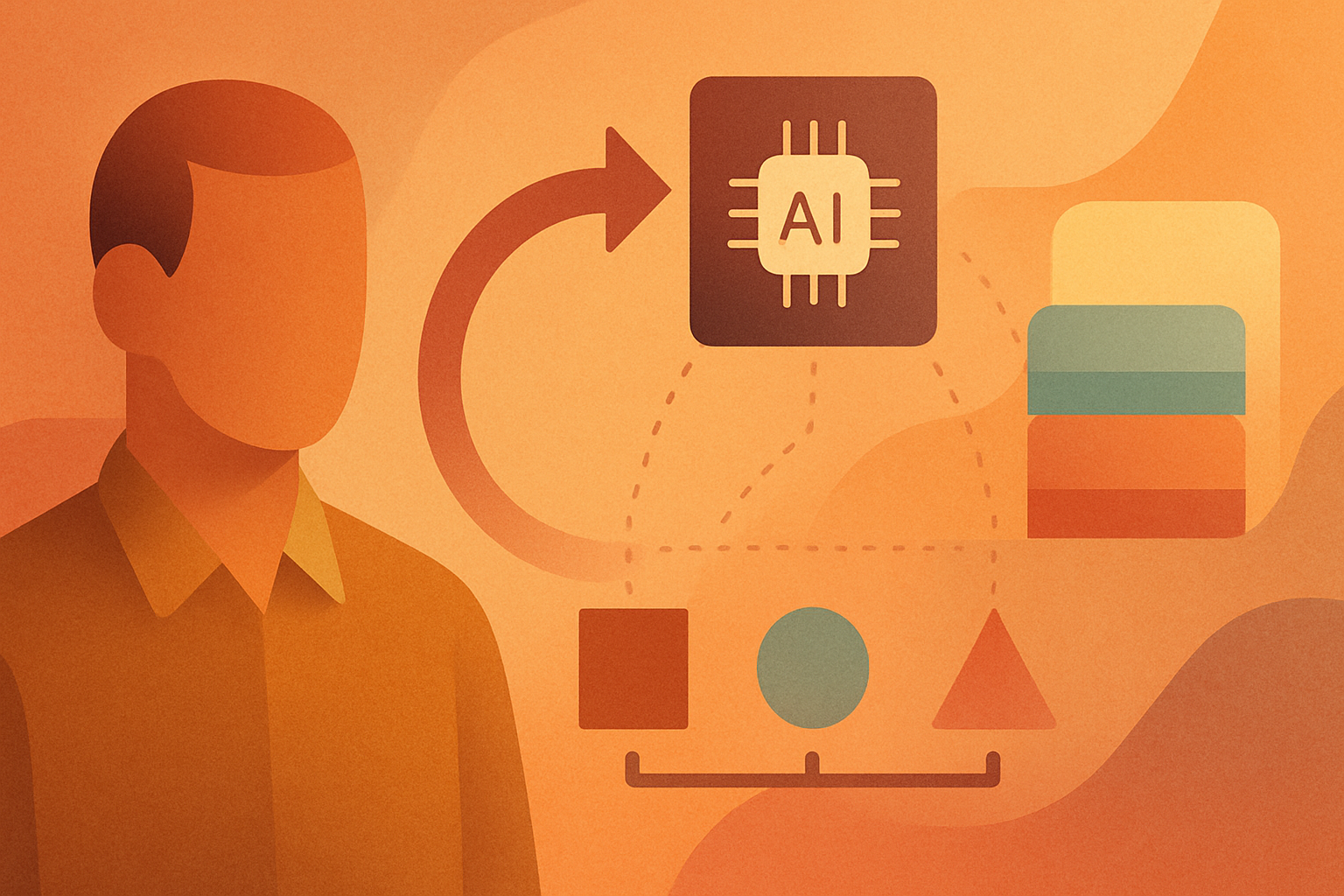
When the Manager Stops Routing
Agentic AI relieves managers of routing. Delivery sits with teams, standards with governance, capacity with management.

What I Got Wrong Building With AI
Three projects built with AI agents. One worked, one collapsed, one held. The variable was not the technology. It was the shape that existed before the code.

When the Architect Picks Up the Hammer
Something shifts when a senior technologist stops directing software to be built and starts building it himself, with AI as the pair. After four decades in software and twenty years away from the keyboard, the distance between intent and implementation finally collapsed. This is what that felt like, and what it revealed about experience, craft, and the future of building

The Decline of the Org Chart
For most of the last century, the challenge of organizing large groups of people around shared work produced a consistent answer: the hierarchy. Not because anyone designed it to be optimal, but because it solved five distinct coordination problems at once, and nothing simpler could do the same. Those problems are now separable. The structure built to solve them all at once is beginning to come apart, unevenly and in ways most commentary misses.

The Return of the Builder
For decades, the software field grew by scaling the work of converting specifications into code. AI has now moved into that role. What remains, and what the field is reorganizing around, is the capacity that was always harder to scale: knowing what to build and why.

When Coding Becomes Cheap, Experience Becomes Rational Again
For decades, software teams faced a trade-off: build the best experience, or build something affordable. Native applications offered quality and performance, but they were expensive. So the industry optimized for economics. The web and cross-platform frameworks were good enough, and good enough won. That constraint is now shifting. With AI-assisted development, implementation is becoming cheap. Machines can generate working software quickly. What they cannot generate is clarity. Intent, structure, domain models, and behavior are now the real bottlenecks.

The Why Layer: Why Intent Is the Missing Infrastructure of Enterprise Software
Code tells us how a problem is solved. It rarely tells us why. As AI-assisted development accelerates, the gap between behavior and intent is becoming an architectural risk, and closing it requires treating shared intent as infrastructure.