
9 articles in this theme
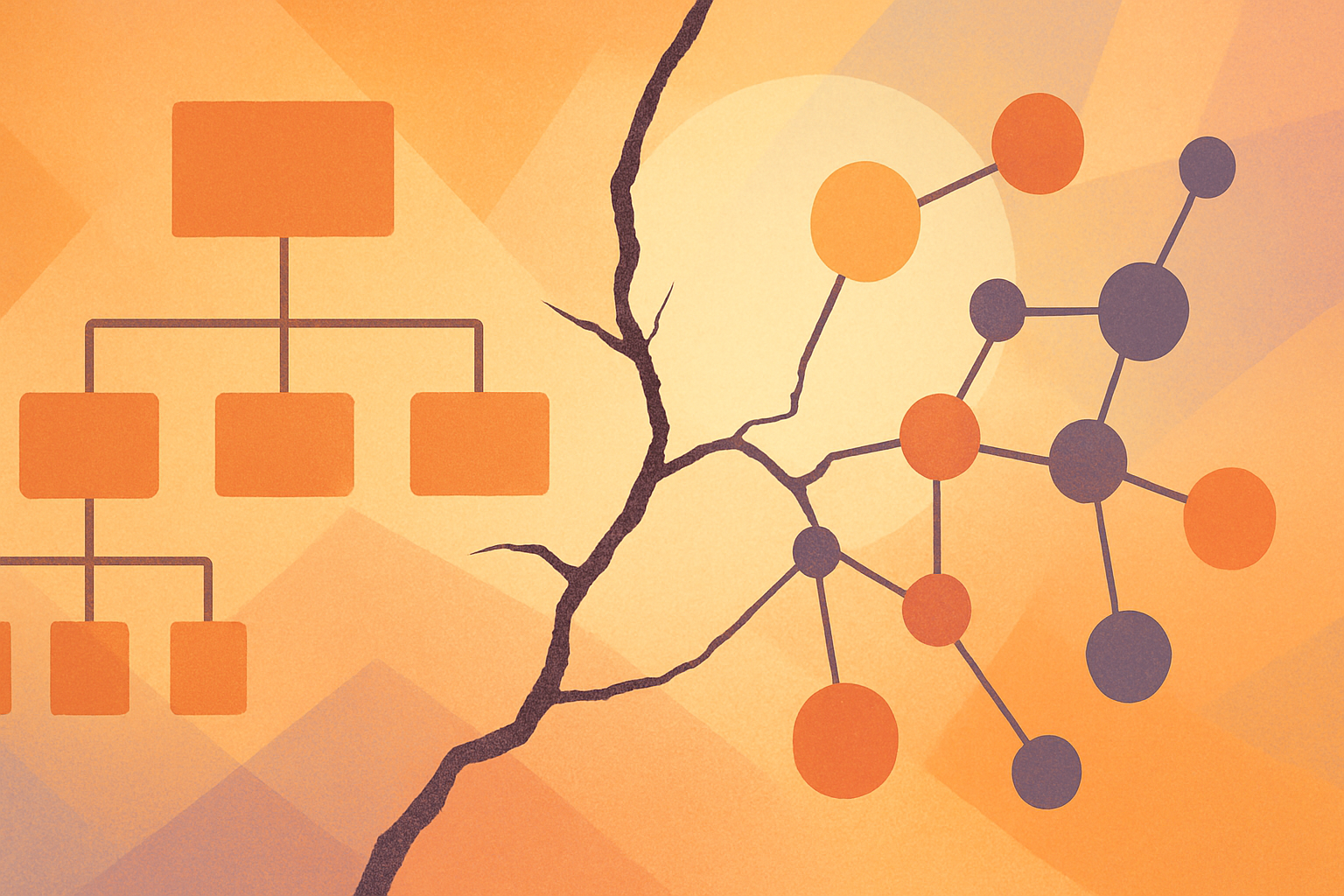
When the Org Chart Stops Organizing
Every company is two graphs, the org chart and the value chain. As agents absorb routing, the chain becomes the one the company runs on.
The Desktop Supercollider
How AI-assisted development collapsed the cost of experimentation in enterprise software, turning the architect from theorist into experimentalist.
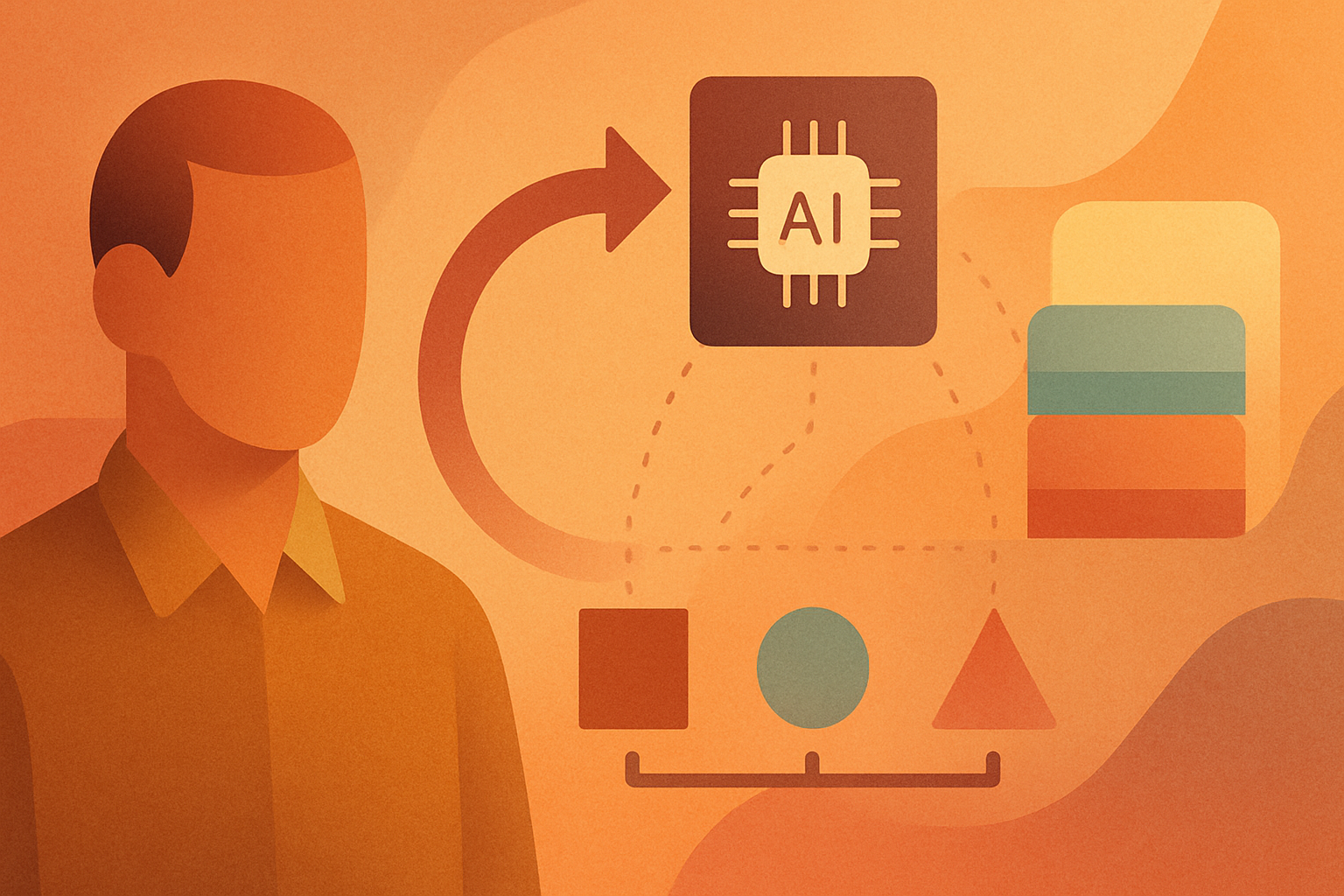
When the Manager Stops Routing
Agentic AI relieves managers of routing. Delivery sits with teams, standards with governance, capacity with management.
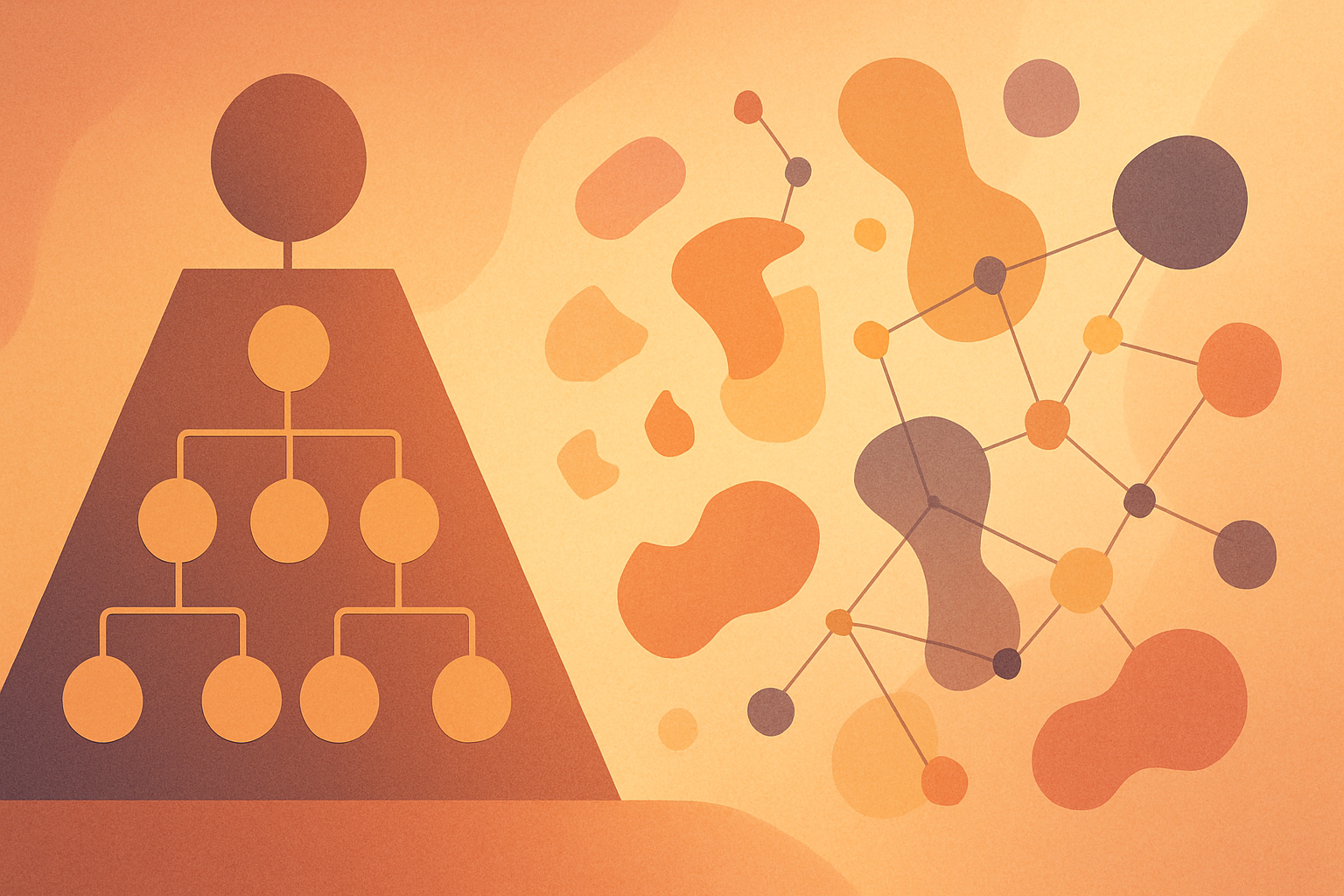
The Decline of the Org Chart
For most of the last century, the challenge of organizing large groups of people around shared work produced a consistent answer: the hierarchy. Not because anyone designed it to be optimal, but because it solved five distinct coordination problems at once, and nothing simpler could do the same. Those problems are now separable. The structure built to solve them all at once is beginning to come apart, unevenly and in ways most commentary misses.

The Return of the Builder
For decades, the software field grew by scaling the work of converting specifications into code. AI has now moved into that role. What remains, and what the field is reorganizing around, is the capacity that was always harder to scale: knowing what to build and why.

When Coding Becomes Cheap, Experience Becomes Rational Again
For decades, software teams faced a trade-off: build the best experience, or build something affordable. Native applications offered quality and performance, but they were expensive. So the industry optimized for economics. The web and cross-platform frameworks were good enough, and good enough won. That constraint is now shifting. With AI-assisted development, implementation is becoming cheap. Machines can generate working software quickly. What they cannot generate is clarity. Intent, structure, domain models, and behavior are now the real bottlenecks.
The Why Layer: Why Intent Is the Missing Infrastructure of Enterprise Software
Code tells us how a problem is solved. It rarely tells us why. As AI-assisted development accelerates, the gap between behavior and intent is becoming an architectural risk, and closing it requires treating shared intent as infrastructure.

Sustainable Velocity: Why Clarity Is Making a Comeback
Software ideas tend to come full circle. We once believed in documenting early to gain clarity, then Agile shifted the focus to “working software over comprehensive documentation.” That shift made sense, but in practice some teams interpreted it as documentation not mattering at all.
Programming won’t go away but extensibility is a worthwhile substitute for many tasks
Programming has made more farewells than Frank Sinatra , but the difference being that “Old Blue Eyes” eventually played one final concert, whereas programming isn’t going to go away.