Featured
Era of Reasoning
Enterprise software is becoming a system of reasoning that weighs decisions and acts. Its limit is meaning, and the contest is who owns the reasoning layer.
When the Org Chart Stops Organizing
Every company is two graphs, the org chart and the value chain. As agents absorb routing, the chain becomes the one the company runs on.
Themes

The Return of the Builder
Intent, clarity, and the craft of building software when implementation gets cheap.
9 articles →
The Self-Driving Enterprise
How AI is reshaping enterprise software, from ambient ERP to autonomous workflows.
24 articles →
My Life with AI
A personal narrative of building alongside machines, from a TRS-80 to today.
3 articles →
Random Thoughts from the Trenches
Software craft, leadership, estimation, and whatever else is on my mind.
38 articles →Articles
The future of ERP is automated, conversational and very much in the cloud
Just to be different from every other article you read about technology this week, I am going to limit my take on AI to just a few sentences where it is most relevant.

ERP Implementation: 5 Ways to Handle Change
As organizations seek new enterprise solutions to meet evolving business needs , many are undertaking what can seem a daunting process: enterprise resource planning (ERP) system implementation. The…
Programming won’t go away but extensibility is a worthwhile substitute for many tasks
Programming has made more farewells than Frank Sinatra , but the difference being that “Old Blue Eyes” eventually played one final concert, whereas programming isn’t going to go away.
Data fundamentals first, automation second
There is a lot of excitement about technology’s potential to automate tasks making our lives easier and freeing us up to do more fun things. ChatGPT is the latest in a long line of excited debates –…
Back to Basics: 2023 ERP Trends and Predictions
In a year marked by uncertainty, organizations are looking for ways to reduce operating costs and streamline processes. Efficiency is on the mind of every business leader. Deploying automation to…

Integration Isn’t Enough: The Business Case for Integration-as-a-Service
Organizations use a variety of applications to handle business tasks, and at the center of many point solutions is the enterprise resource planning (ERP) system. In an ideal state, data from various…

What the on-demand economy means for the future of work
I’ve been the Chief Technology Officer (CTO) at Unit4 for around three years, but I joined as Chief Architect in our innovation labs closer to eight years ago. When I arrived, many of the questions my…

Vendors and customers alike are facing some frank discussions about their relationships
Gartner has suggested that by 2025, 75% of companies “will break up with poor-fit customers.” In reality, this will prove to be a two-way process. It's worth exploring the important reasons why this…

Forget the hype: think about ERP integration before AI
The technology sector has always been prone to hype and promises of silver bullets. Marketers get ahead of engineers and evangelize over the promise of the Next Big Thing. Conferences dedicated to the…
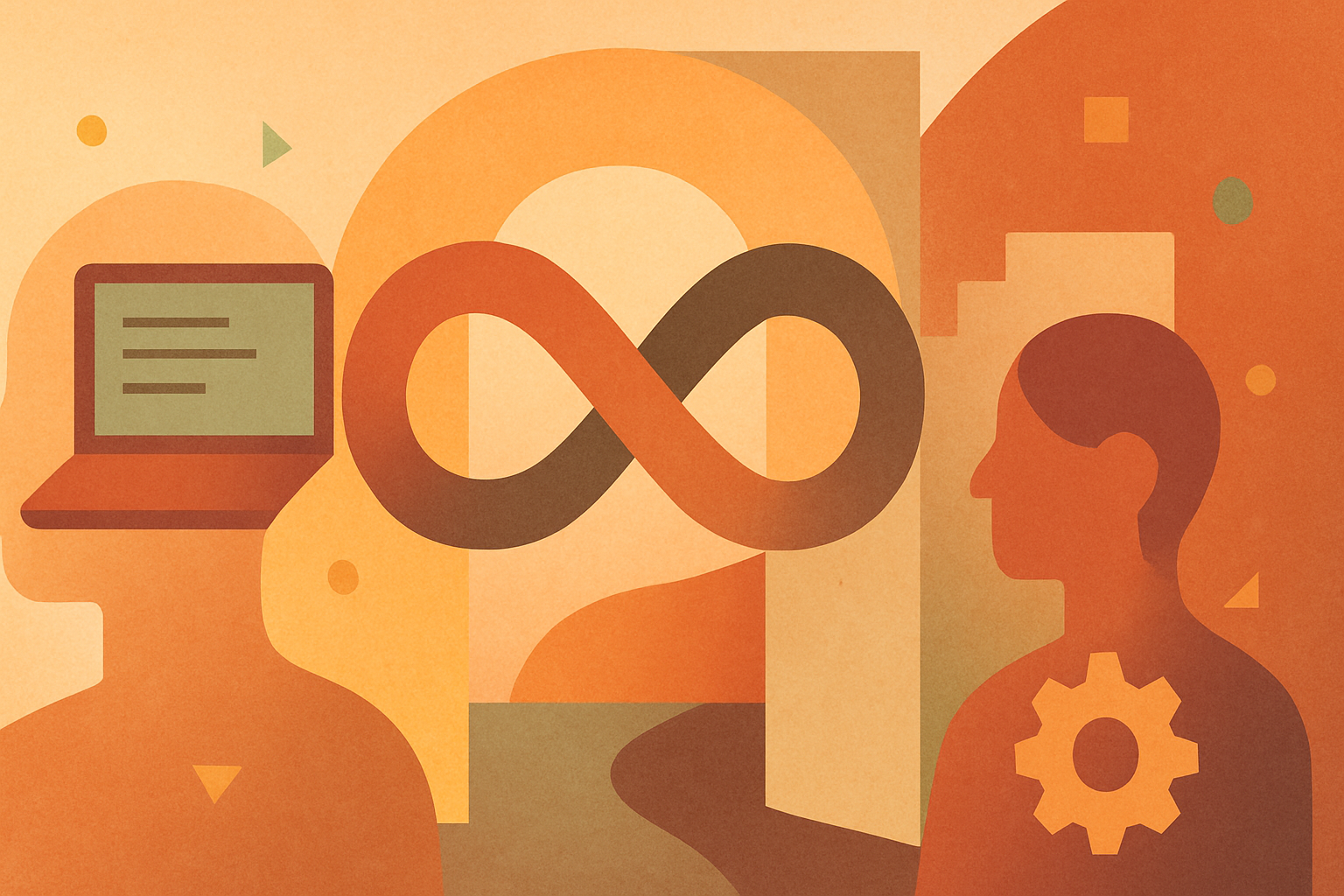
What You’re Getting Wrong About DevOps (and How To Make it Right)
DevOps is now the top software deployment strategy by a mile — 77% of organizations say they use the approach to roll out new software. This is good news because a DevOps approach is an important…

Is It Time to Replace Your Legacy ERP System?
Signs your legacy ERP system is holding the business back, the true cost of staying, and how CIOs should weigh replacing versus modernizing it.
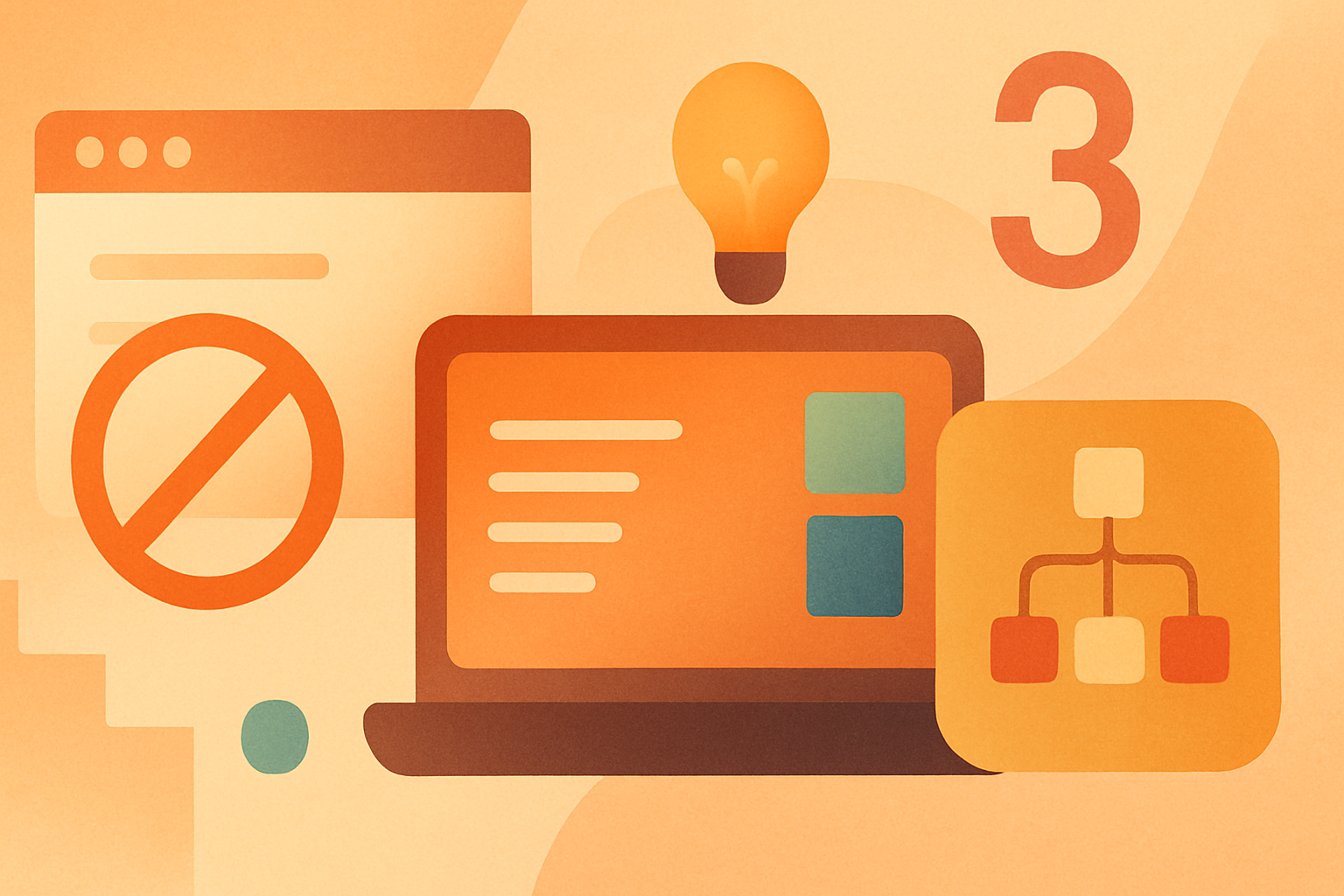
The low-no-code series - Unit4: 3 reasons low-code is over-hyped
I have worked in the IT industry for many years and sometimes it’s hard not to become a little weary of the hype around the latest trends. Low-code/no-code is one of those trends where hype can…